
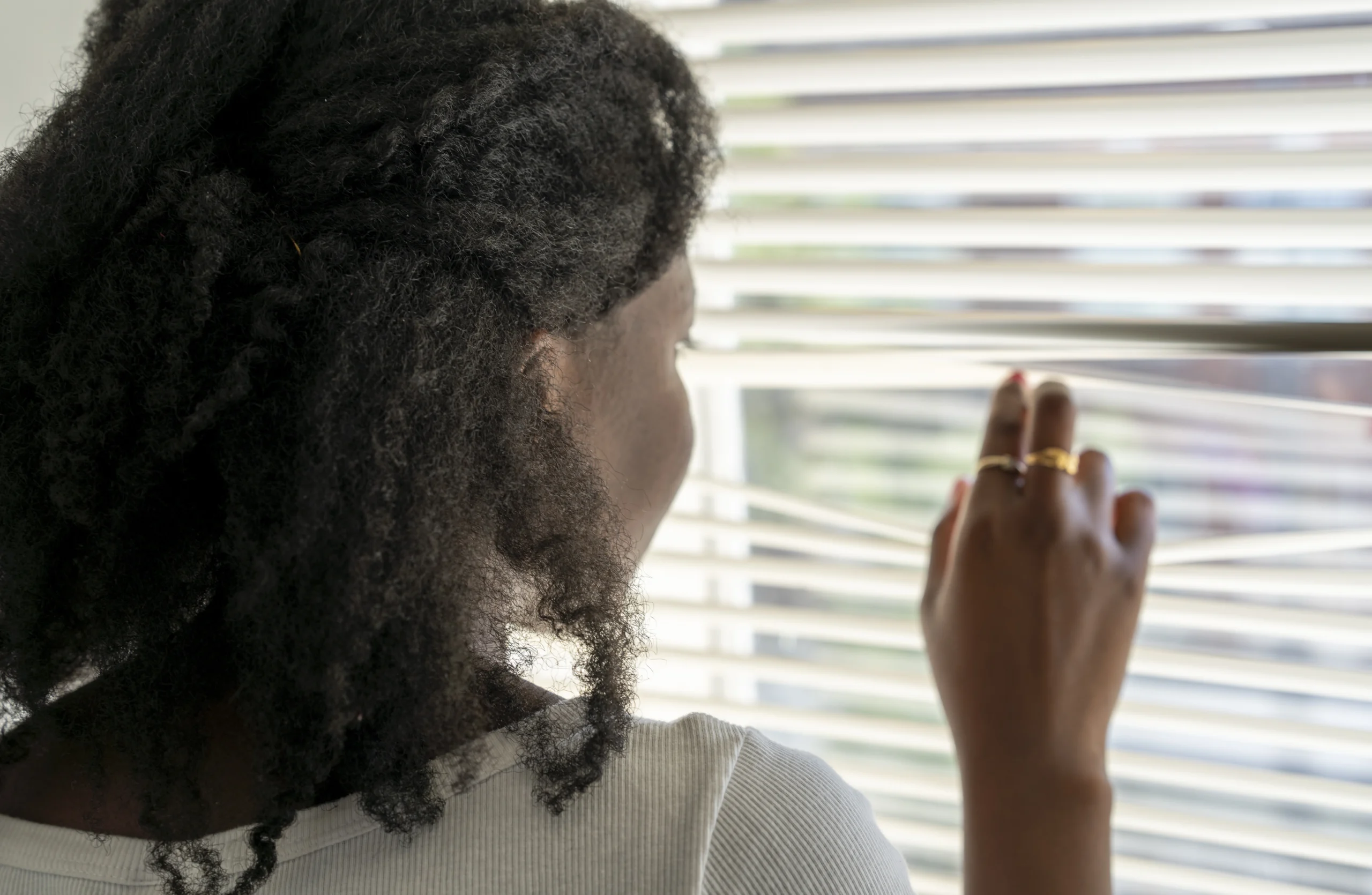
“E” shares their experience of being the second generation following a family member going missing and sadly found passed away. “E” shares how these events have influenced their life, both from an early age and as they reached adulthood.
In 2010, at the age of 10, I found out the details of what happened to my uncle. Before that I had known very little. I knew he had been murdered by his ex-wife while living abroad, and as a result my cousin had come to live with us. We were both five years old when he moved in with us, and so we grew up as regular siblings. I had never had to explain my familial situation to anyone. No one asked because everyone knew. Our family was (and is) normal, and I had never once had to question it. But on the brink of starting secondary school, our bubble of normality would likely shatter. As my cousin and I are the same age, questions would be asked: were we twins? Why didn’t we look alike? Why were we born a month apart? Why did he live with his aunt and uncle? What had happened?
I had a delayed exposure to a catastrophic event that had shaped and affected everyone in my immediate family. And it had shaped and affected me too, but in a different way. As far as I was concerned, I had gained a sibling. I’d gained a playmate – someone to dress up in princess dresses, boss about in make believe games. Someone to have joint birthday parties with, to play the Wii with. The tragedy of this gain was distant to me. I was protected and sheltered from my uncle’s death. It was incomprehensible, and unknowable.
An organisation had been brought in to support us through this transition, to prepare us for what questions we might receive and how to answer them. Through this process, my mother shared with both of us an account of what had happened. When he was first reported missing, it was my fifth birthday – we were staying at a luxury apartment in Los Angeles with a view of the Hollywood sign. That year, my birthday overlapped with Easter. I remember jet lag and being spoiled with sweets, chocolates and presents. And yet, in the background, my parents were dealing with a life-changing challenge. My uncle was missing, and no one had heard from him. My uncle’s case had been in the news–a picture of my mother and grandmother published at a press release the day they received the news that his body had been found. Horrific sensationalised headlines, insensitive and grossly recounted. He had been missing for around 6 weeks before his body was finally found. The press arrived at their doorstop, finding out that his body had been discovered before my family had even been notified. We had to learn of this too. I remember sitting there, we were all crying. The gravity of the words I had been told settled into my chest. It seemed like a story – not my reality. This was a pivotal time in my life, a recognisable moment in which I became fully conscious of violence, and the way it had embedded itself into my familial history. I was awake to grief, and generational pain.
I am grateful for my parents’ decision to tell me what had happened, before I was old enough to find out myself by searching online. In my first year of secondary school, I made a friend who I had trusted enough to tell her about my uncle. The next day, she came into school and told me that her mum remembered my uncle’s case being in the news. She then let me know that they had searched my uncle’s name online and read through the news articles together. I masked a reply that threw her off my scent: I was uncomfortable and disgusted, but for some reason I didn’t want it to show. I was ill-prepared, but I knew I did not want to tell my mother. I knew it would hurt her in a way I couldn’t fathom. And so, I carried that experience with me.
Experiencing an immense trauma vicariously is confusing. I am the next generation to experience the effects of having a loved one missing. Of ensuring that memorial gardens, anniversaries and legacy awards are kept alive. I am responsible for taking steps to carry this with me and use it to shape the role I want to play in supporting others currently living this reality. But it’s uncomfortable to do. It feels uneasy, as though I am trying to walk in the shoes of my family who have experienced, directly, such immense anguish. I have been protected from it; I have a degree of separation. But learning that my uncle loved to write and hearing about his antics at school –attending the same school that he did, it’s a familiarity that I feel in my bones.
I haven’t met anyone who has the same shared reality as me. Not the specifics, anyway. But I know many who have experienced great loss, who carry with them the weight of grief. Missing People provides a network of people from diverse situations who have experienced missing, including those who have experienced missing in ambiguous ways. I have written this piece for myself, and have done so in order to speak to others. I believe sharing authentic stories of experience, strength and hope can connect people who are struggling with immense and confusing circumstances. I also think it’s important to discuss how we communicate the life of a loved one who has been missing to the next generation, and how we continue their legacy in small and large gestures.
Ongoing support is available specifically for families and friends who are worrying about a missing person or someone who has been found.
Get emotional support by emailing our Family Support Team, requesting a text back, or contacting them through a call or text on 116 000.
Sign up for emails highlighting missing appeals, information on how to share the appeals, and more information about our work. It is free to join and you can unsubscribe at any time. Find out more.